


Updated: March 2026
IT chaos isn’t a glitch — it’s the default state of unmanaged infrastructure. One day, everything’s running smoothly. The next? A surprise audit reveals compliance gaps, shadow IT eats into your budget, and an expired contract leaves a mission-critical tool hanging by a thread. I’ve seen it happen time and again in the cloud industry.
But here’s the twist: companies that recognize the importance of IT asset management don’t just avoid disasters — they thrive. Cloudaware clients have slashed IT costs by 30%, eliminated audit failures, and freed up 20+ hours per month once wasted on manual tracking.
And they’re not alone. Industry data shows that 20-30% of IT budgets are wasted on unused or underutilized assets. That’s where the benefits of IT asset management turn chaos into control, risk into resilience.
In this article, we’ll break down the top 10 reasons ITAM isn’t just important — it’s your competitive edge in 2026.
Tl;DR on benefits of it asset management
- 20–40% of software spend is wasted on licences nobody uses. ITAM is what finds it before the invoice auto-renews. (Flexera, 2025 State of IT Asset Management Report)
- You can't patch what you haven't discovered. Unknown assets are unmanaged attack surface — ITAM closes that gap before it becomes a CVE. (IBM, Cost of a Data Breach Report 2024 — avg breach cost $4.88M, with asset visibility cited as a key detection accelerator)
- Audit prep drops from weeks to hours. Evidence is already there: lifecycle states, ownership records, change history, all of it. (Flexera, 2025 ITAM Report, ibid.)
- Vendors negotiate using your data against you at renewal. ITAM means you show up knowing actual consumption, not vendor estimates. That cuts software spend 20–30% in year one. (Snow Software, IT Asset Management Report 2024)
- Change management stops being a fire drill. Dependency mapping before a change goes in gets approvals 70% faster and cuts unplanned downtime by 90%. (InvGate, Change Management Statistics 2024)
- Shadow SaaS, orphaned IAM roles, expired API tokens still connected to prod — those are ITAM failures before they're security incidents. The average enterprise now runs 269 SaaS apps, most ungoverned. (Zylo, SaaS Management Index 2025)
- Teams using ITAM resolve incidents 50%+ faster because the asset map already exists. No one's playing detective during an outage. (Atlassian, State of IT 2025)
- Procurement stops buying things you already own. Auto-tagging by owner and cost centre means duplicates get flagged before the PO goes out. (Flexera, 2025 ITAM Report, ibid.)
Bottom line: security, FinOps, compliance, and change management—none of them work well without knowing what you own. ITAM is the foundation, not the feature.
Why IT asset management is important in 2026
Understanding why IT asset management is important starts with three problems that quietly bleed every unmanaged environment: cost leakage, security exposure, and audit pressure.
- Cost leakage. The ITAM Forum's industry research indicates that we completely waste 20–40% of all software, whether it's on-prem or in the cloud. Zombie instances, auto-renewing SaaS subscriptions, and oversized VMs accumulate invisibly when there is no central asset inventory. ITAM makes every license, device, and cloud resource visible, so nothing slips through unnoticed.
- Security exposure. Unknown assets are unmanaged assets. An untracked EC2 instance, a forgotten Azure storage bucket, or a SaaS tool running on an expired API token each represents a real attack surface. ITAM closes those blind spots by providing a unified view of every asset, like hardware, software, and cloud, in one place.
- Audit pressure. Regulatory frameworks—SOC2, ISO 27001, HIPAA, and PCI-DSS— all require organizations to demonstrate control over their assets. Without ITAM, evidence collection means weeks of scrambling through spreadsheets and cloud consoles. With it, audit-ready reports are one click away.
"Organizations that treat ITAM as a strategic discipline—not just a compliance checkbox—consistently see the biggest returns. The ones who struggle are the ones still treating it as a spreadsheet exercise.”
— ITAM Forum, “5 Business Benefits of IT Asset Management”
Top 10 IT asset management benefits
| Benefit | What improves | Metric to track |
|---|---|---|
| Operational efficiency | IT workflow speed, deployment time | % reduction in manual tracking hours |
| Lifecycle visibility | Asset traceability, end-of-life planning | % assets with complete lifecycle state |
| Change & config control | Change failure rate, MTTR | % failed changes; rollback time |
| Financial planning | Cloud spend accuracy, budget variance | % waste eliminated; forecast accuracy |
| Asset utilisation | VM/software utilisation rates | % underutilised resources reclaimed |
| Accountability & ownership | Owner coverage, orphaned asset rate | % assets with assigned owner |
| Security & compliance | Misconfiguration rate, exposure window | % misconfigs resolved; patch lag |
| Issue resolution speed | MTTR, incident escalation frequency | Mean time to identify root cause |
| Audit readiness | Evidence collection time, audit failures | Audit prep hours; compliance score |
| Procurement & vendor clarity | Contract renewal misses, duplicate spend | $ saved on redundant licences/contracts |
Benefit 1: Improved operational efficiency
Your IT ecosystem is a living, breathing entity — cloud workloads pulse through AWS, Azure hosts critical applications, and Kubernetes clusters scale dynamically. But when asset management is a mess, your entire infrastructure starts suffocating under inefficiencies.
I’ve seen teams waste hours manually tracking assets, chasing down outdated configurations, and firefighting unexpected system failures.
Take a common scenario: a DevOps team needs to deploy a critical update, but half their cloud instances are running outdated OS versions, and no one knows which ones are compliant. Without real-time data, updates get delayed, security risks multiply, and troubleshooting becomes a nightmare.
Worse? Unused devices and software licenses keep spinning, quietly racking up costs in the background.
Here’s where understanding the importance of IT asset management flips the script. By integrating ITAM with your CMDB, every asset — from EC2 instances in AWS to SQL databases in Google Cloud — is mapped, monitored, and managed. Automated tracking tools ensure your asset management system stays current, cutting manual effort and making data instantly accessible.
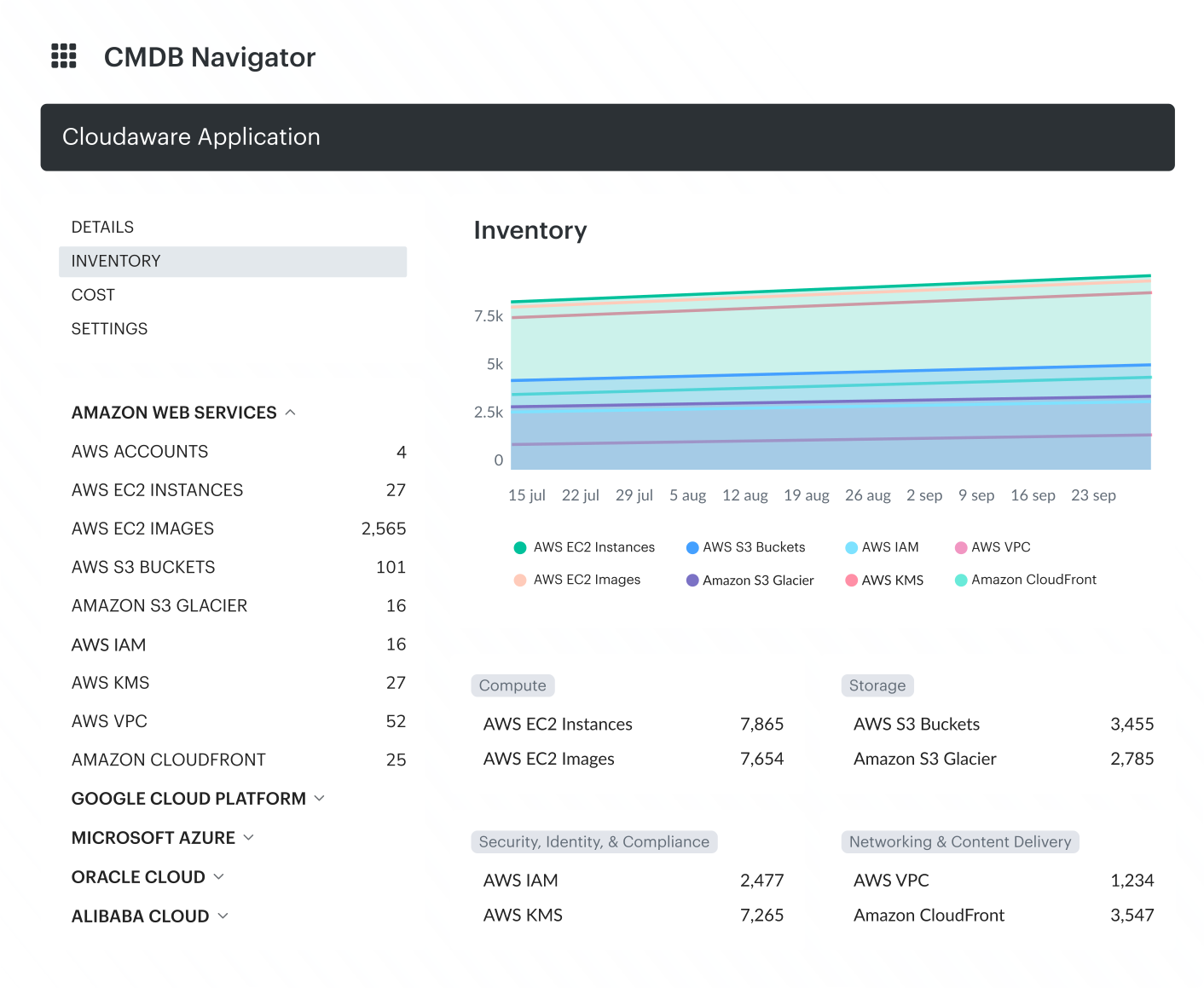
The result? Faster deployments, fewer delays, and a 30% boost in operational efficiency. IT teams spend less time hunting down software, device, and asset details and more time optimizing performance.
That’s just one reason why IT asset management is critical in 2025. Up next, we’ll dive into more benefits — like how ITAM keeps security airtight, costs low, and IT operations running like a well-oiled machine.
Benefit 2: Complete lifecycle visibility
Your IT assets — whether virtual machines, Kubernetes clusters, or software licenses — don’t exist in isolation. They evolve. They move. They expire. And when you don’t have a clear view of their entire lifecycle, things start slipping through the cracks.
Suddenly, teams lose track of who owns what, where assets are deployed, and when they need upgrades or replacements. Zombie instances keep running, SaaS subscriptions renew in the background, and aging infrastructure quietly drags down performance. IT starts working reactively instead of proactively — chasing asset records, scrambling to find dependencies, and making purchase decisions based on guesswork instead of real data.
Implementing ITAM turns that mess into a finely tuned system where nothing goes unseen. Every device, cloud instance, and software asset is accounted for from birth to retirement.
- End-to-End Asset Awareness is one of the main benefits of IT Asset Management. CMDB creates a single source of truth, mapping out every asset management lifecycle. From the moment a new cloud instance is spun up in AWS or a Kubernetes cluster is deployed, it’s tracked — no more guessing where assets live or who’s using them.
- Automated Lifecycle Tracking. Assets don’t just exist; they move through stages — procurement, deployment, upgrades, and retirement. ITAM ensures every change is logged, so you can see exactly where an asset is in its lifecycle at any given moment.
The Results:
- No more lost devices, forgotten cloud instances, or mystery software subscriptions.
- IT teams make better decisions by knowing exactly what’s in use and what’s redundant.
- Stronger tracking and data accuracy, eliminating guesswork from asset management.
Gaining complete insight into your assets’ entire lifecycle means IT runs with clarity instead of confusion, structure instead of guesswork, and control instead of chaos.
Benefit 3: Change and configuration control
You know that feeling when a simple cloud configuration tweak turns into a full-blown outage? One minute, you’re rolling out an update, and the next, your monitoring dashboard is lighting up like a Christmas tree, your Slack is blowing up, and someone’s already asking, "Can we roll this back?"
Yeah. That’s what happens when IT changes go in blind.
One of Cloudaware’s clients — a global financial services company — kept running into this exact problem. Every time their DevOps team pushed updates across AWS and Azure, something broke. A database connection would time out. An API gateway would go down. And every rollback turned into an hours-long fire drill.
Turns out, they had zero visibility into dependencies. Changes were being made without understanding how cloud workloads, on-prem servers, and SaaS applications were tied together. So, when one thing shifted, the whole stack wobbled.
This is where IT Asset Management steps in — not as another layer of bureaucracy, but as the ultimate change control cheat code. When ITAM is baked into your change management process, every device, cloud resource, and software component is mapped, tracked, and monitored.
Cloudaware automatically discovers and maps all assets across AWS, Azure, GCP, Oracle, Alibaba и VMware and on-prem, so teams know exactly what’s connected to what — before making a change.
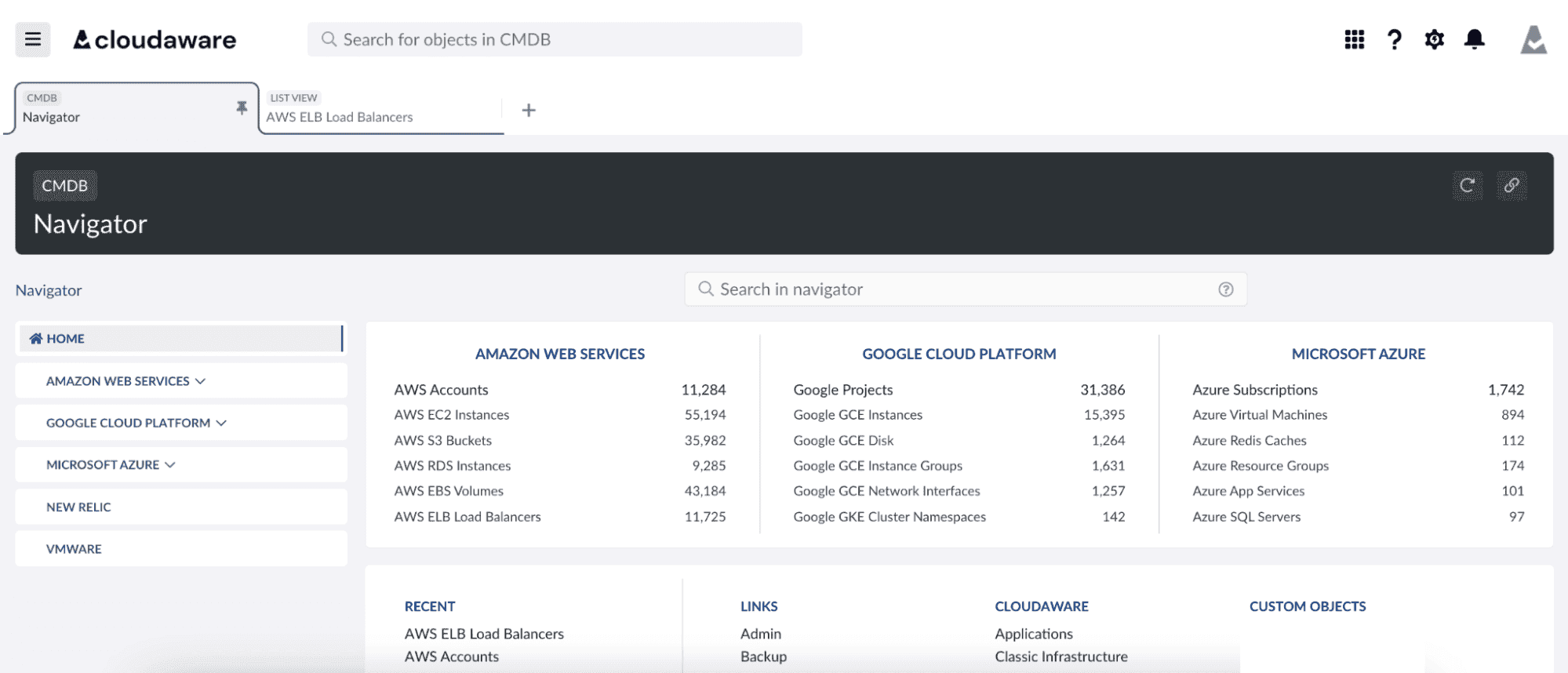
Planning to shut down a VM? ITAM flags every system and application that depends on it. Now, there’s no more flying blind. Instead of relying on gut instinct, ITAM integrates with ITSM tools like ServiceNow and Jira, ensuring every change request is backed by real data.
When something still goes sideways, ITAM provides historical asset data and change logs, making it easy to undo misconfigurations quickly.
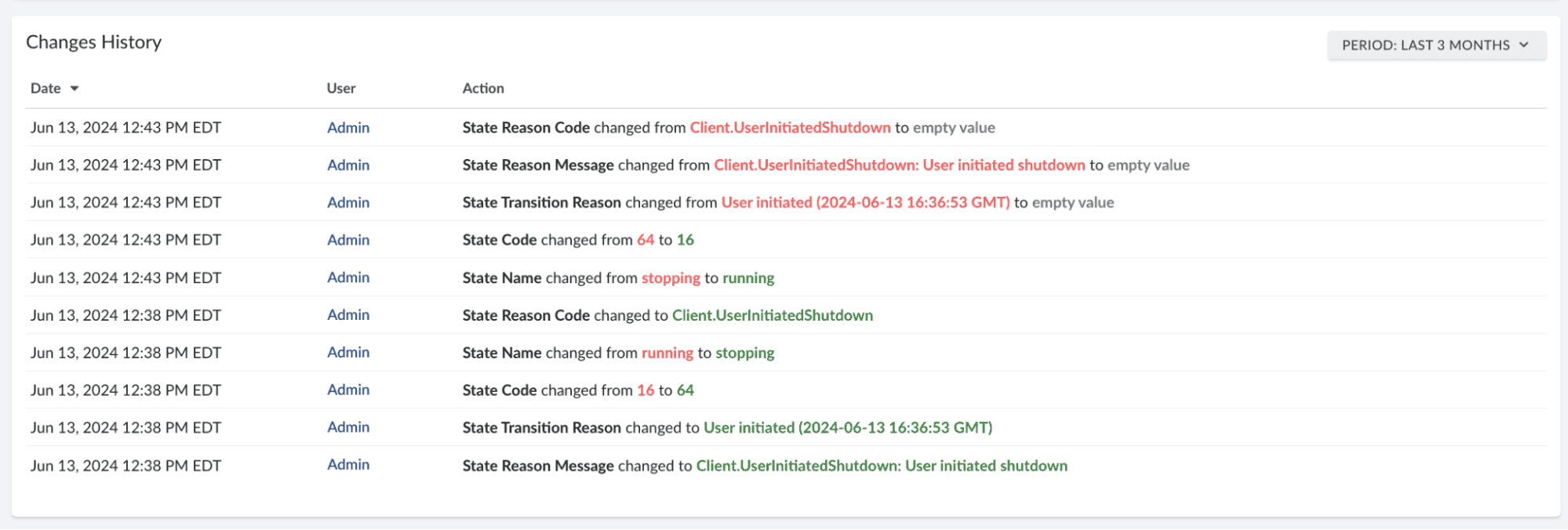
No more digging through Slack threads or outdated spreadsheets to figure out what went wrong.
The benefits of asset management software for change management are clear. Teams approve changes 70% faster, reduce failed updates by 40%, and cut unplanned downtime by 90%. With real-time tracking and a complete asset management system, IT teams can manage change confidently without jeopardizing system security or performance.
Change is inevitable. But firefighting isn’t. With ITAM, every asset, every dependency, and every change is mapped and controlled — so your updates don’t turn into outages.
Benefit 4: 100% Control of your IT infrastructure without headaches
Keeping track of IT assets shouldn’t feel like solving a mystery. But for most teams, it does. One day, a developer requests a new virtual machine in AWS because they “can’t find” the one they spun up last month. The next, finance is questioning why the company is paying for licenses no one remembers approving.
Meanwhile, your team is stuck digging through outdated spreadsheets, trying to figure out where all these assets live and who actually owns them.
It happens all the time — devices disappear, software goes unused, and asset records are scattered across different platforms. Without a proper asset management system in place, teams lose visibility, security risks increase, and IT budgets suffer.
That’s why easy, automated ITAM is essential — it eliminates manual tracking, reduces wasted spending, and strengthens control over the entire IT ecosystem.
For example
When Coca-Cola turned to Cloudaware’s CMDB, they faced a common challenge — disorganized asset management across multiple cloud providers. Workloads ran in AWS and Azure, but without centralized tracking, teams were provisioning software, devices, and cloud assets blindly. Zombie instances inflated costs, unused licenses renewed in the background, and compliance audits became a logistical nightmare.
By implementing Cloudaware IT Asset Management, they completely transformed how they handle assets, data, and software licenses:
- IT Asset Discovery. Cloudaware’s ITAM automatically scans AWS, Azure, and on-prem environments, identifying every device, software instance, and database in real time. No asset is left unaccounted for.
- Asset Enrichment with Related Data. Each discovered asset is linked to related instances, dependencies, and configurations — giving IT teams full data visibility before making changes.
- Automated Tagging. Assets are tagged based on key attributes like owner, cost center, and application, so teams can filter and manage them efficiently.
- Grouping into Virtual Applications. Instead of handling individual software or devices in isolation, Cloudaware groups them into virtual applications. These groups can be defined by any logic — like a Prod team’s infrastructure, all databases supporting a customer-facing app, or even cost-related groupings. This streamlines asset management and prevents redundant purchases.
With Cloudaware’s Coca-Cola cut asset sprawl, improved compliance, and reduced cloud waste across global teams. They gained real-time visibility into their IT infrastructure, making tracking and management effortless.
The benefits of software asset management go beyond cost savings — it improves security, optimizes IT resources, and eliminates operational chaos. With automated discovery, data tracking, tagging, and grouping, IT teams always know what assets they have, where they are, and how they’re being used.
Benefit 5: Better financial planning and cost savings
IT budgets have a way of disappearing fast. One moment, finance signs off on a budget that should last the quarter, and the next, the cloud bill is twice what anyone expected. Meanwhile, software licenses renew automatically, cloud assets keep running long after projects end, and no one can quite explain where that extra spend came from.
I’ve seen this happen too many times — teams overspend simply because they don’t have a clear picture of what they’re paying for. Cloud instances get spun up and forgotten. Devices go missing. Software licenses go unused but still rack up costs. And finance teams? They’re left guessing how much to budget for IT next quarter.
One of Cloudaware’s clients — a large enterprise managing a multi-cloud environment — was facing these exact issues. Their AWS, Azure, and Google Cloud spend was unpredictable, and despite multiple cost-cutting initiatives, their bills kept creeping higher.
The problem wasn’t a lack of effort — it was a lack of clear financial tracking and cost control at the asset level. Without knowing who owned what, which cloud resources were actively being used, and which ones could be optimized, they were burning money without realizing it.
When they implemented Cloudaware IT Asset Management, things changed fast:
- Cloud Cost Forecasting Got Smarter. Instead of waiting for surprise bills, they used Cloudaware’s FinOps-powered forecasting to predict cloud expenses based on historical usage trends. Now, finance teams knew exactly how much to budget.
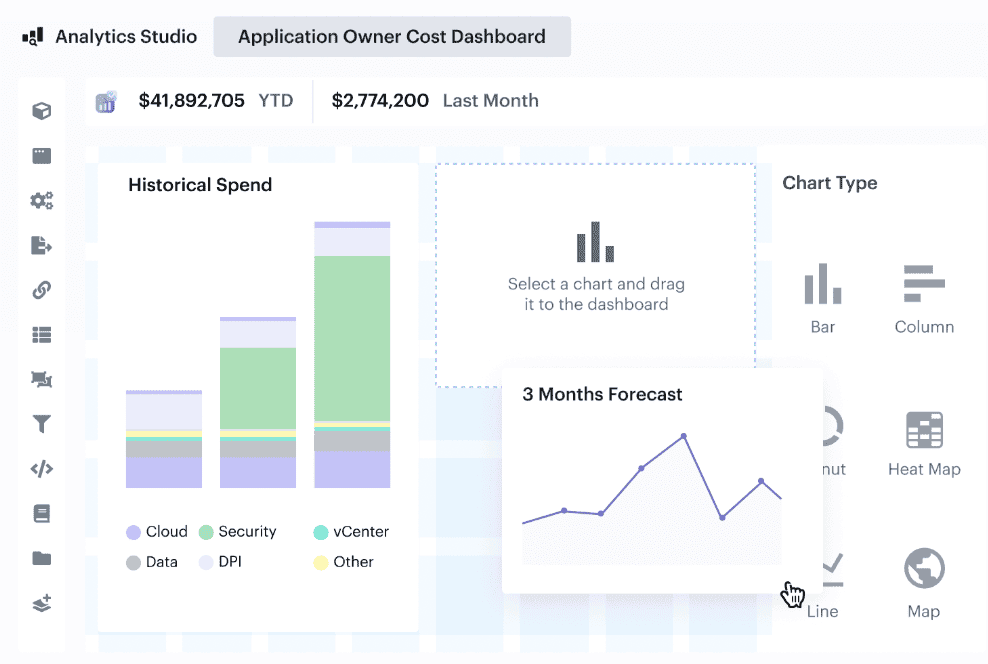
- Automated Cost Allocation Stopped the Mystery Charges. Every cloud instance, software license, and device was tagged and categorized, so IT and finance could instantly see which teams and projects were responsible for specific costs. No more chasing down mystery line items.
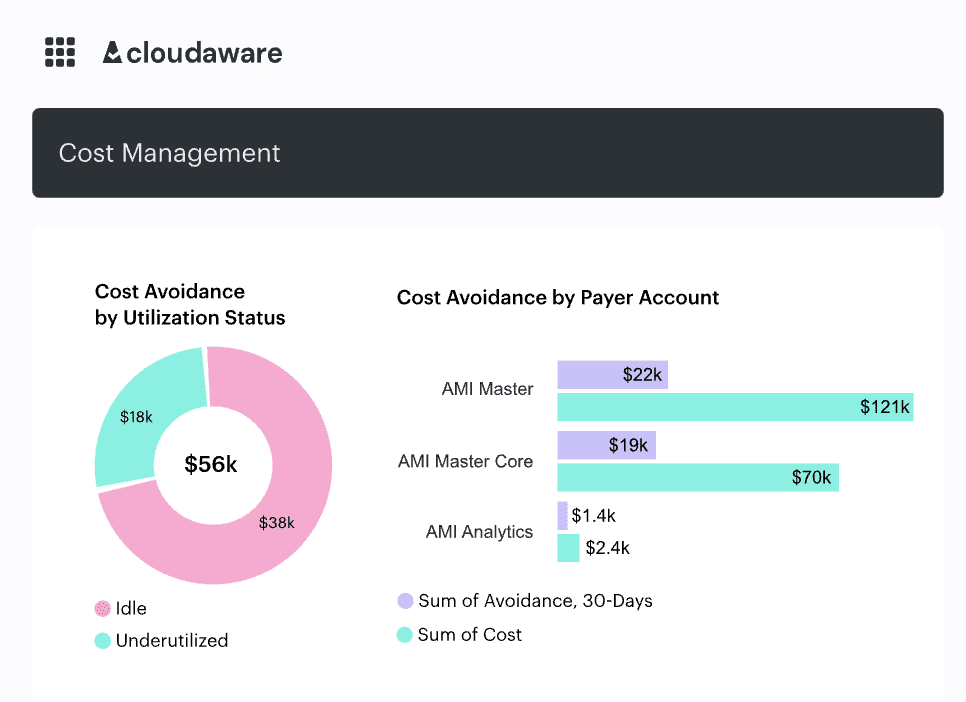
- Cost Optimization Became Automatic. Cloudaware’s flagged underused resources, oversized VMs, and redundant licenses, offering clear, actionable recommendations for reducing spend without impacting performance.
Within six months, this company cut their cloud waste by 35%, simply by eliminating unnecessary spending and reallocating underused assets.
And they’re not alone. According to the ITAM Forum, 30% to 40% of all software — whether on-prem or in the cloud — is completely wasted.
Why is IT asset management important? Because IT budgets shouldn’t be a guessing game. With ITAM, every asset — every cloud resource, every SaaS license, every device — is tracked, optimized, and accounted for. Cloudaware makes financial planning predictable, cost management effortless, and IT security stronger by ensuring only necessary, approved assets remain active.
“Every dollar spent on software that nobody uses is a dollar that could have gone to innovation. The discipline that eliminates that waste is IT asset management — and it starts with knowing what you actually own.”
— ITAM practitioner perspective, ITAM Review community
How you prove it:
- % of IT budget waste eliminated in first 6 months post-ITAM deployment
- Cloud forecast accuracy: actual spend vs. forecast (%)
- $ reclaimed from decommissioned or right-sized resources
📌 You may also like: ITSM vs CMDB: Understanding the Synergy Between ITSM CMDB
Benefit 6: Higher asset utilisation
Running a hybrid multi-cloud setup is like managing a massive fleet of vehicles — AWS, Azure, Google Cloud, and on-prem systems all handling compute power, storage, and networking resources. But when teams spin up virtual machines, containers, and storage volumes without clear oversight, asset management becomes chaotic. Devices go underutilized, workloads sit idle, and budgets bleed.
One Cloudaware client — a global enterprise juggling AWS, Azure, and Google Cloud — ran into this exact issue. Their Kubernetes clusters were oversized, VMs in Azure were running at 20% utilization, and storage volumes across Google Cloud were barely being accessed.
Yet, with no single source of truth, no one had full visibility. Engineering teams kept provisioning new resources instead of optimizing what was already there. Finance kept questioning why the cloud spend was ballooning.
And IT? They were stuck playing detective, manually tracking assets, trying to figure out which devices, software licenses. And cloud instances were actually being used and which were just racking up costs.
After implementing Cloudaware IT Asset Management, they finally had Utilization Insights — real-time tracking that flagged underused VMs, storage, and compute resources. No more assumptions, no more manual audits. Just accurate data showing exactly which assets weren’t pulling their weight. That meant IT teams could make data-backed decisions on how to downsize, repurpose, or decommission resources without breaking anything critical.
For example, usage analytics by regions:
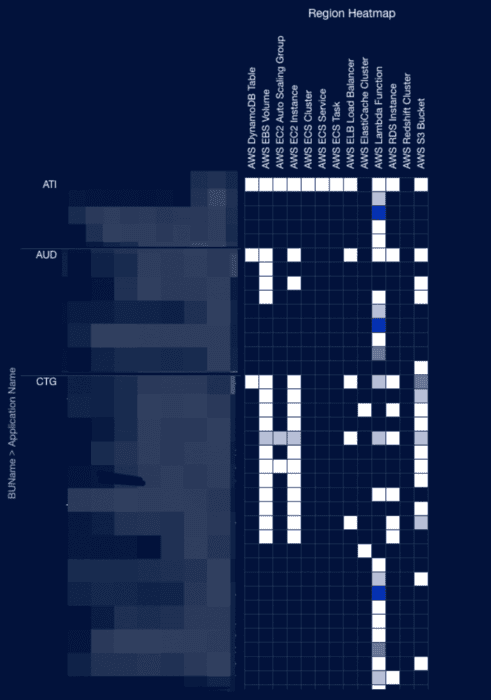
In just six months, they cut infrastructure waste by 35%, optimized workloads, and improved overall IT security by ensuring no orphaned or unmonitored resources remained active.
This is where the advantages of an effective IT asset management system become clear. No more blind spots. No more wasted resources. Every asset working at full potential, every dollar accounted for, and a fully optimized IT environment. 🚀
How you prove it:
- % underutilised resources identified and reclaimed
- Infrastructure waste reduction over 6 months (target: 30–40%)
Benefit 7: Reinforced accountability and ownership
You ever try tracking down who spun up an oversized VM that’s been draining your AWS budget for months? Or figuring out who last touched a critical Azure storage bucket before it mysteriously disappeared?
In a hybrid multi-cloud setup, where AWS, Azure, Google Cloud, and on-prem resources all coexist, asset management can slip through the cracks fast. Devices go unclaimed, services get abandoned, and when something breaks, the blame game begins.
One Cloudaware client — a global enterprise with sprawling cloud deployments — ran into this problem constantly. Their infrastructure was a maze of unknown owners, forgotten VMs, and redundant SaaS subscriptions.
Every time finance flagged a mystery charge, engineers shrugged. Every time security spotted an unpatched server, no one knew who was responsible. Without accountability, asset sprawl wasn’t just a cost problem — it was a security risk.
When they rolled out Cloudaware IT Asset Management, things changed. Every device, software license, and cloud resource was automatically assigned an owner. No more unclaimed assets, no more orphaned servers, no more "not my problem" tickets. Teams had real-time tracking on who deployed what, when, and why.
That meant faster issue resolution, easier audits, and a clear chain of responsibility for every change made.
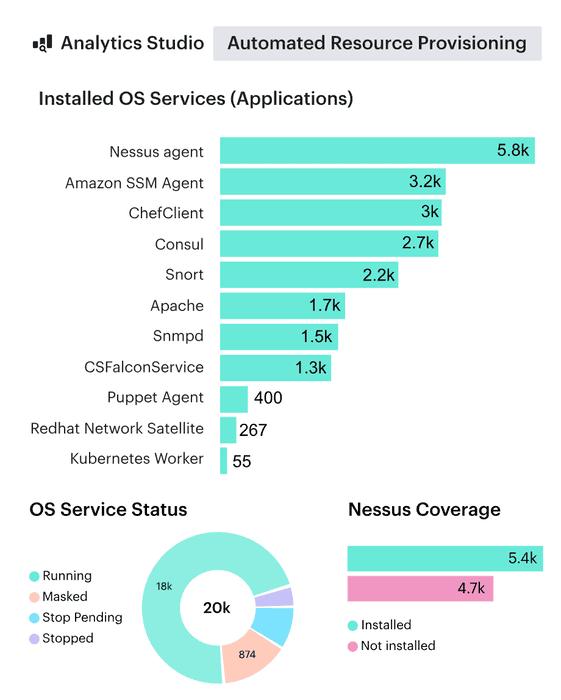
Beyond just ownership, ITAM helped them track software usage, optimize cloud resources, and improve data accuracy across IT operations. With centralized asset tracking, they eliminated ghost instances and ensured every device and service had a clear purpose.
Within months, their asset utilization improved significantly, and security risks from untracked assets were nearly eliminated.
This is what reinforced accountability in IT asset management looks like. No more mystery assets. No more finger-pointing. Just full transparency, ownership, and control.
How you prove it:
- % of assets with an assigned owner (target: 100%)
- Mean time to identify the owner of an affected asset during an incident
Benefit 8: Increased ITAM security
An AWS security group left wide open to the internet. An Azure SQL Database still holding sensitive data long after a project ended. A Google Cloud Storage bucket accidentally set to public. These are the kinds of security risks that sneak into hybrid multi-cloud environments when IT Asset Management is missing.
One Cloudaware client — a global enterprise juggling AWS Lambda functions, Azure SQL Databases, and Google Kubernetes Engine (GKE) — was constantly putting out fires. Security teams kept finding EC2 instances with outdated SSH keys and IAM roles with admin access no one remembered assigning. Orphaned storage buckets piled up, quietly increasing risk.
Even worse? SaaS applications with expired API tokens were still connected to production, creating invisible entry points. Without proper asset management, these security gaps stayed hidden — until an attacker tried to exploit them.
Then they implemented Cloudaware ITAM, and everything changed.
- Cloud Security Posture Management (CSPM) scanned environments 24/7. It flagged publicly exposed databases, storage, and VMs before they became a problem.
- SIEM-powered tracking correlated security logs and asset data. Suspicious logins, failed API authentications, and privilege escalations? Surfaced instantly.
- Automated policy enforcement kept security tight. If a device, software, or cloud instance didn’t follow best practices, ITAM flagged it — or fixed it automatically.
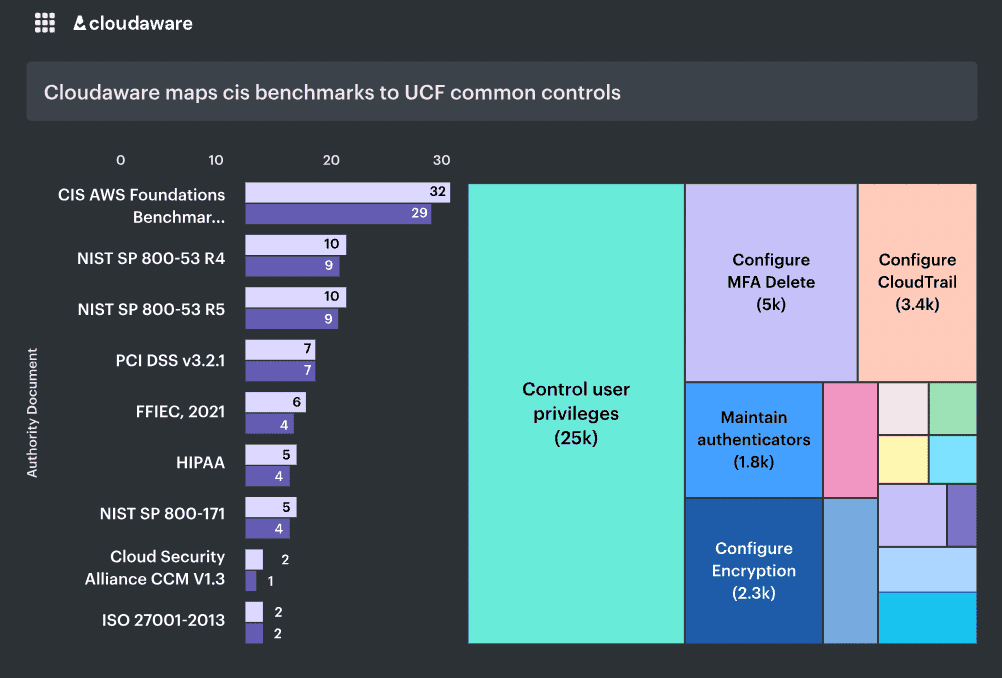
Within months, they cut misconfigurations by 70%, eliminated orphaned high-risk resources, and locked down security across AWS, Azure, and Google Cloud.
This is one of the biggest benefits of IT asset management — it keeps security airtight. No blind spots. No forgotten assets. Just full control over every device, every piece of software, and every cloud workload.
📌 You may also like: Top 7 CMDB best practices for your 2025 [Tech Expert Review]
Benefit 9: 50% faster issue resolution
You ever get that call? The "Hey, something’s broken, and we have no idea why" kind of call? The kind that pulls you into an emergency war room where half the team is frantically clicking through AWS, Azure, and on-prem dashboards, trying to figure out what went wrong — while business-critical systems are down?
Yeah, that call.
One Cloudaware client — a global enterprise running AWS EC2 instances, Azure Kubernetes clusters, and Google Cloud SQL databases — was dealing with these situations constantly. A key application would crash, alerts would fire, and engineers would lose hours manually tracking down the failing asset, misconfigured software, or missing dependency. Half the time, the affected device wasn’t even in their monitoring system.
Then they implemented Cloudaware IT Asset Management, and suddenly, those crisis calls started ending a lot faster.
- Every asset was mapped, tracked, and connected. No more guessing where a workload was running or which software was impacted.
- Instant root cause analysis. ITAM surfaced real-time data, showing exactly which device, server, or cloud instance was at fault.
- Automated asset tracking flagged misconfigurations before they broke things. No more chasing down expired SSL certs or missing API permissions.
Within weeks, they cut their issue resolution time by over 50%, turning outages into minor blips instead of all-hands-on-deck disasters.
This is why IT asset management is important — because fast troubleshooting isn’t luck, it’s knowing exactly where everything is, how it’s connected, and what’s breaking before it takes down your entire system 🚀
Benefit 10: Always ready for IT asset compliance audit
You know that moment when an email drops into your inbox with "Upcoming Compliance Audit" in the subject line? And suddenly, your team is thrown into detective mode — digging through spreadsheets, pulling asset data from AWS, Azure, and on-prem, and hoping nothing important has slipped through the cracks? Yeah, been there.
One Cloudaware client — a massive enterprise juggling AWS EC2 instances, Azure SQL databases, and Google Cloud Storage — was in this exact mess. Their last audit was a nightmare. Untracked software licenses, misconfigured cloud assets, and missing documentation meant weeks of scrambling. Every time they thought they had everything accounted for, another gap surfaced.
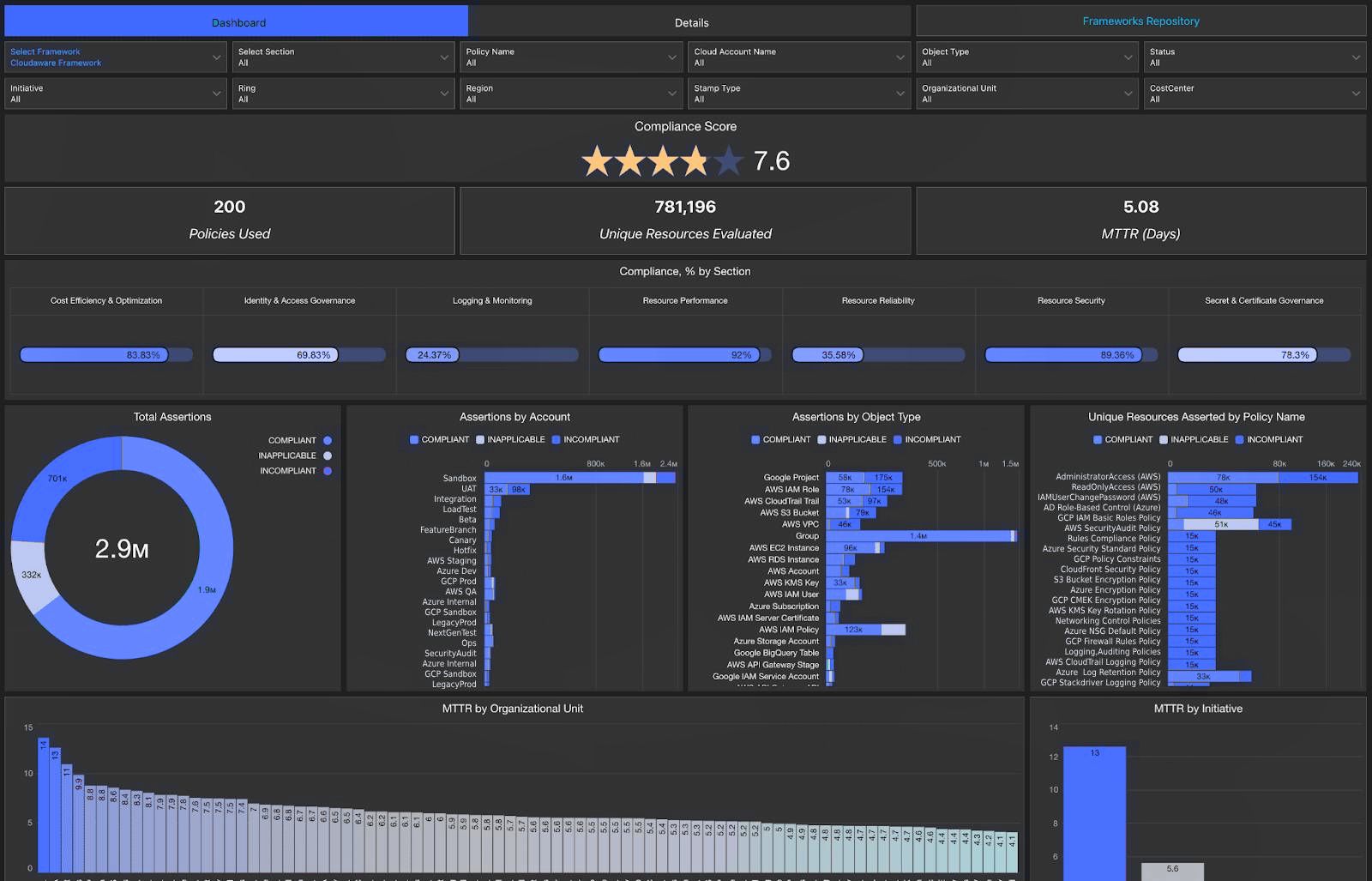
Then they rolled out Cloudaware IT Asset Management, and that next audit? It was over in hours, not weeks.
- Every asset was tracked in real time. No more missing devices, software, or cloud resources.
- Compliance policies were enforced automatically. ITAM flagged misconfigurations and outdated assets before auditors ever saw them.
- Audit reports were one click away. No manual searching — just instant, up-to-date data.
The result? 100% audit readiness, zero compliance fines, and a team that didn’t have to drop everything to prep. Companies using ITAM reduce audit preparation time by 50% or more, just by having the right tracking system in place.
This is one of the biggest benefits of IT asset management. Full compliance, stronger security, and no more last-minute panic. Just seamless asset management and total control. 🚀
You may also like: The best configuration management software: Top 10 tools review
Benefits of software asset management
Software asset management (SAM) is a specialized subset of ITAM focused entirely on software licences, SaaS subscriptions, and the vendor contracts that govern them. Where ITAM covers the full hardware-software-cloud estate, SAM goes deeper on the benefits of software asset management specifically: license compliance, audit defense, and spend optimization.
The benefits of software asset management go beyond cost savings. It improves security, optimizes IT resources, and eliminates operational chaos. Here's what SAM specifically delivers:
- Licence optimisation. SAM tracks actual software usage against purchased entitlements. Teams regularly discover they're paying for 30–40% more licences than are actively used. SAM surfaces those unused seats so organizations can downsize agreements at renewal rather than auto-renewing at full volume.
- Audit defence. Software vendors conduct license audits that can result in significant unexpected costs if entitlements can't be proven. SAM maintains a continuous, accurate record of installations, usage, and license assignments—so audit findings become a formality rather than a financial shock. (See: Software Licensing Audit)
- Vendor renewal leverage. Arriving at a renewal negotiation with real consumption data shifts the dynamic. SAM gives procurement teams the numbers to challenge vendor pricing, consolidate agreements, and eliminate products that are no longer earning their keep.
- SaaS sprawl control. In a modern organization, SaaS tools proliferate faster than any centralised team can track. The average enterprise now runs 269 SaaS apps, most of them ungoverned. SAM identifies shadow purchases, overlapping tools with redundant functionality, and subscriptions that departments stopped using months ago but never cancelled.
A structured SAM program typically reduces software spending by 20–30% in the first year—and that number compounds as the discipline matures and procurement decisions become data-driven rather than reactive.
Benefits of asset management software
The phrase "asset management software" is deliberately broad, and the benefits of asset management software depend on the context. It can mean ITAM platforms (hardware, software, and cloud), enterprise asset management (EAM) tools focused on physical and operational assets, or general service-desk tooling with basic asset registers.
Regardless of category, organisations that move from spreadsheets and manual processes to a dedicated platform consistently see the same core gains:
- Automation. Asset discovery, lifecycle updates, and policy checks run continuously without manual intervention. Teams spend time acting on data, not collecting it.
- Audit trails. Every change to an asset record is logged with a timestamp and actor. Non-negotiable for regulated environments and invaluable for incident investigations.
- Proactive alerting. Expiring warranties, approaching end-of-life dates, and compliance drift trigger alerts before they become problems. Reactive firefighting gives way to planned maintenance.
- Centralised reporting. Instead of pulling data from five different systems for a quarterly review, asset management software delivers it in one place — filterable by team, region, cloud provider, or cost centre.
- Integration ecosystem. Modern ITAM platforms connect to ITSM tools (ServiceNow, Jira), financial systems, HR directories, and cloud provider APIs via open APIs. Asset data flows automatically into the tools that need it. (Flexera, 2025 State of IT Asset Management Report)
Level up your IT asset management with Cloudaware
Managing IT infrastructure can feel like running a high-stakes operation — cloud environments, on-prem systems, thousands of assets, and dependencies all tangled together. Keeping everything in sync shouldn’t be a guessing game.
That’s where Cloudaware CMDB steps in, turning chaos into clarity while delivering the benefits of asset management software at scale.
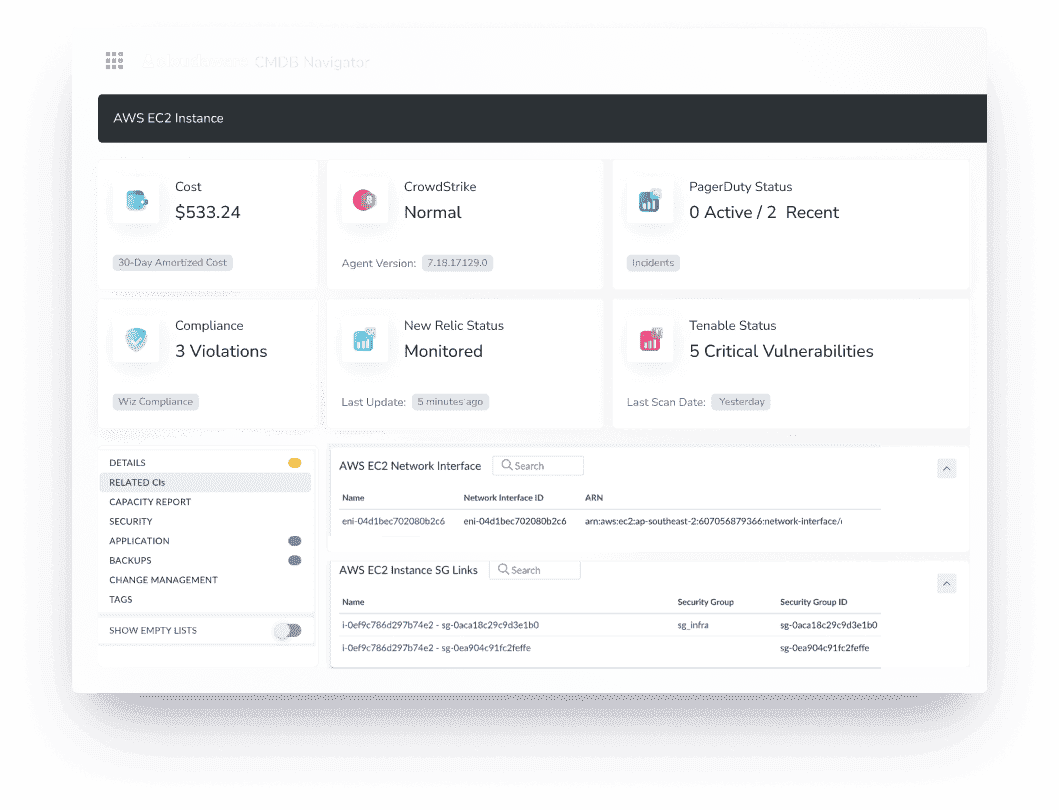
- One Source of Truth. No more piecing together fragmented asset data from multiple clouds and on-prem environments. Cloudaware centralizes all ITAM and configuration data, ensuring a real-time, accurate foundation for your tracking, security, and compliance needs.
- Zero Manual Updates. Thanks to Cloudaware Discovery and Dependency Mapping, your CMDB updates itself. New devices, software assets, and infrastructure changes? Captured instantly. No spreadsheets, no manual asset tracking — just continuous, automated data synchronization.
- Smarter CI Data. Not all configuration items are created equal. Cloudaware enriches your ITAM data to uncover hidden dependencies and relationships. That means fewer blind spots, stronger security, and complete control over every IT asset.
- Seamless Integrations. Plug Cloudaware into your existing asset management and security tools using open APIs. Whether it's integrating with ITSM platforms or pulling external data for deeper insights, Cloudaware keeps everything connected and automated.
- Instant Reporting & Analytics. Need a report? Done. Cloudaware delivers real-time insights on demand, without the headache of manual report-building. Track ITAM performance, optimize software asset usage, and strengthen security with clear, actionable data.
Want to see it in action? Let’s walk through it together — schedule a demo today and let Cloudaware handle the complexity so you don’t have to. 🚀